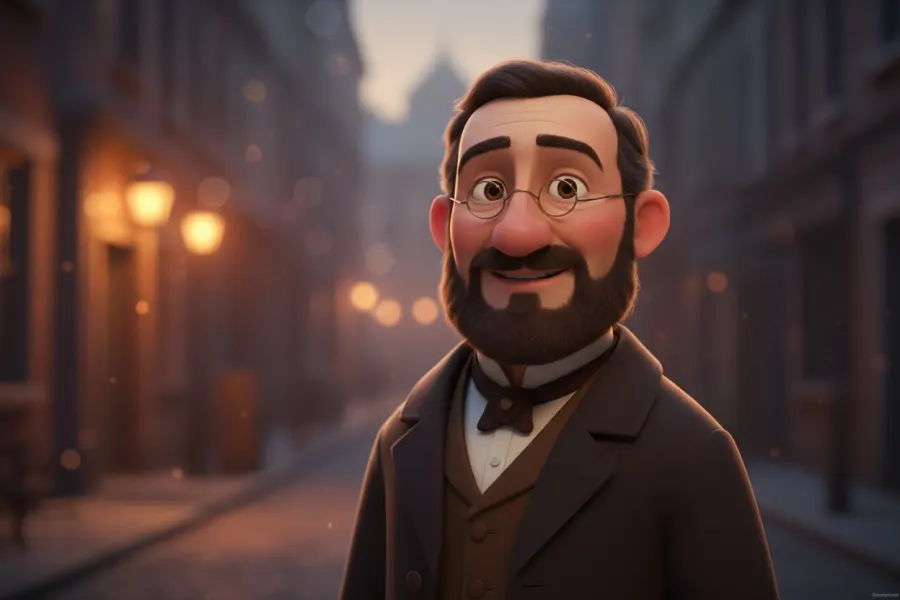
Children’s Champion
The story of Thomas Barnardo, who gave thousands of Victorian children a home.
 Let’s talk
A complete primary History scheme from Year 1 to Year 6. Every unit opens with a real person, a mystery or a box of sources, and builds historical thinking section by section.
The story of Thomas Barnardo, who gave thousands of Victorian children a home.
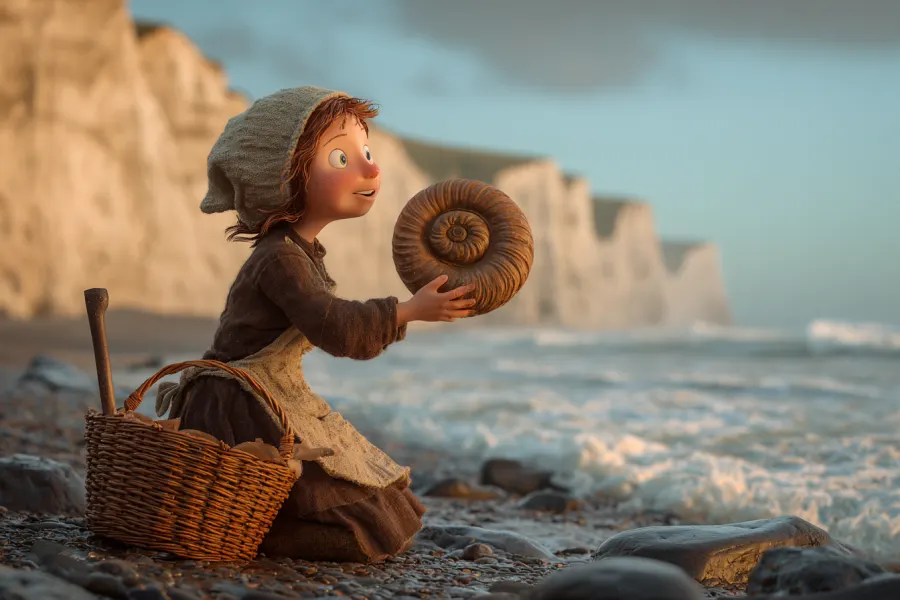
Uncovering the story of Mary Anning, the greatest fossil hunter.
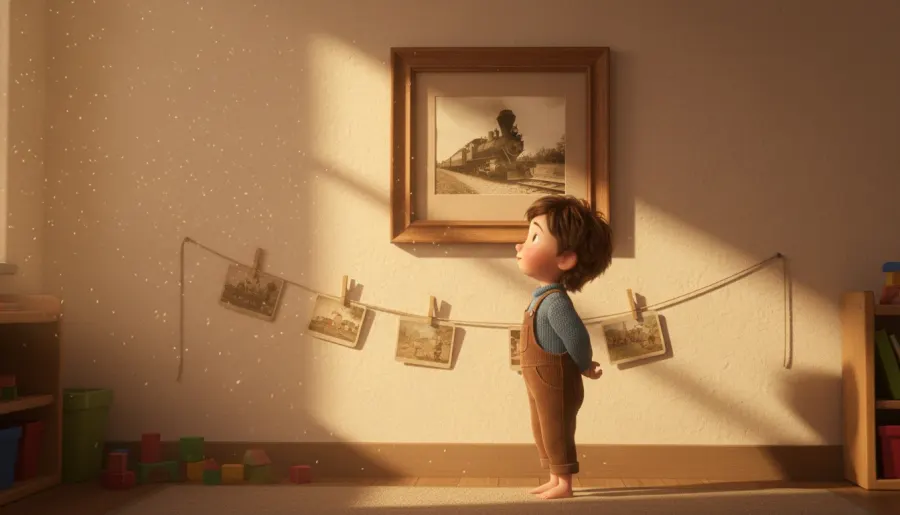
Each class investigates a significant person, place or event from their own local area.
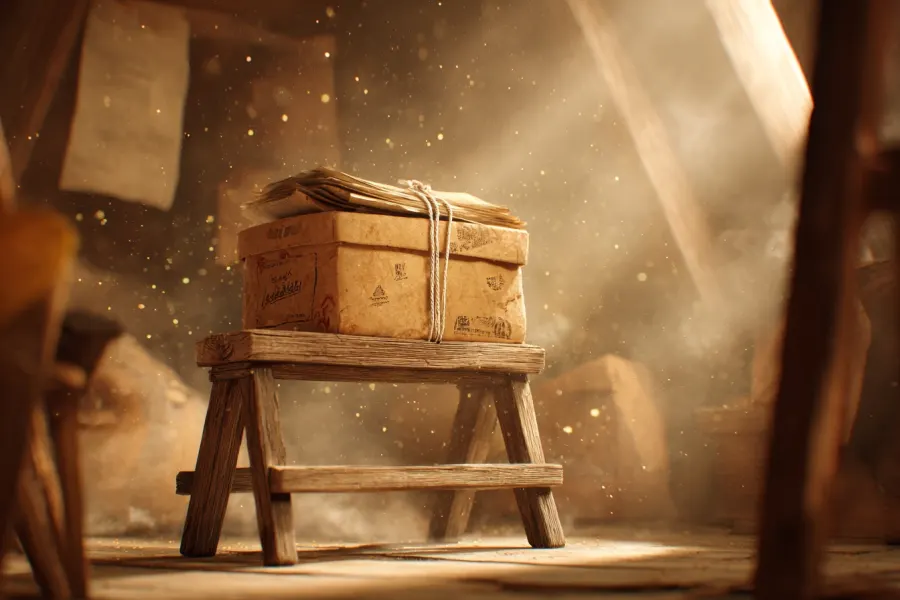
Years 1 & 2
An old box of toys comes down from the attic, one wrapped surprise at a time, and every toy has a story.
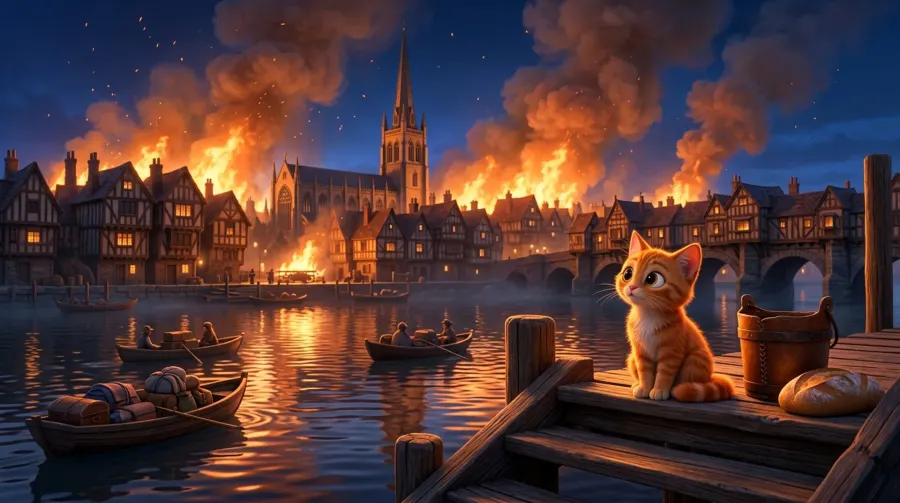
Pupils learn all about the lasting impact of The Great Fire of London.
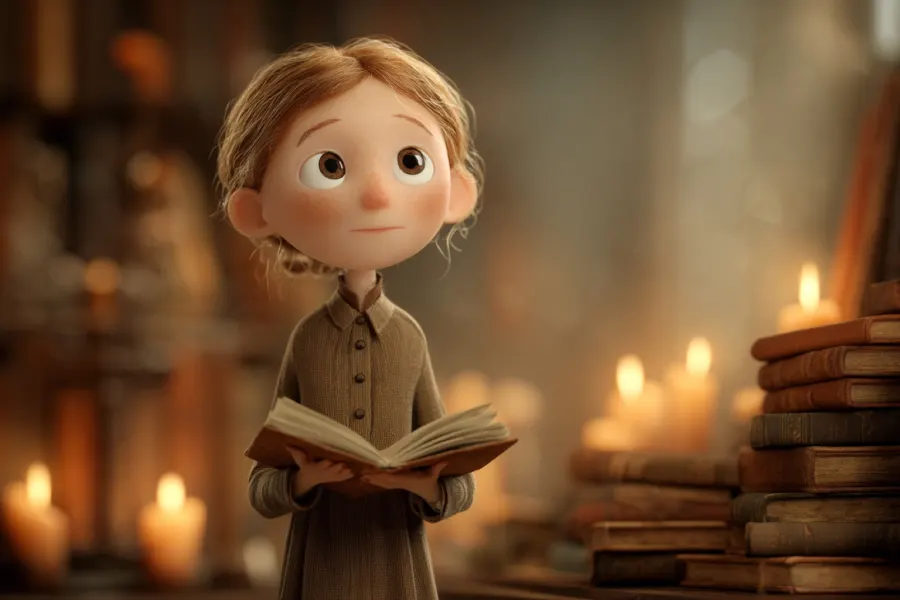
Investigating Elizabeth Blackwell, the first woman to become a doctor, and deciding whether she deserves a blue plaque.
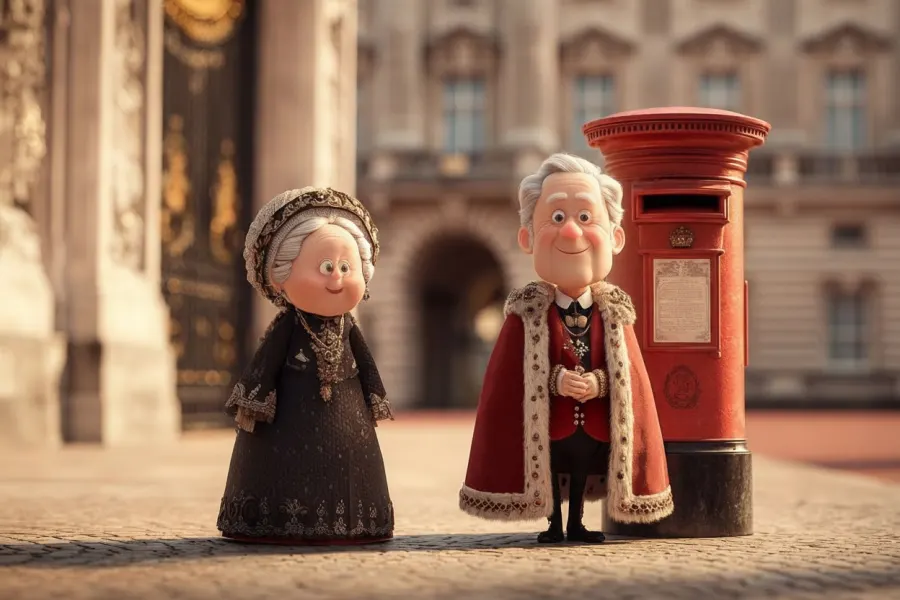
The lives and legacies of two British monarchs: Queen Victoria and King Charles III.
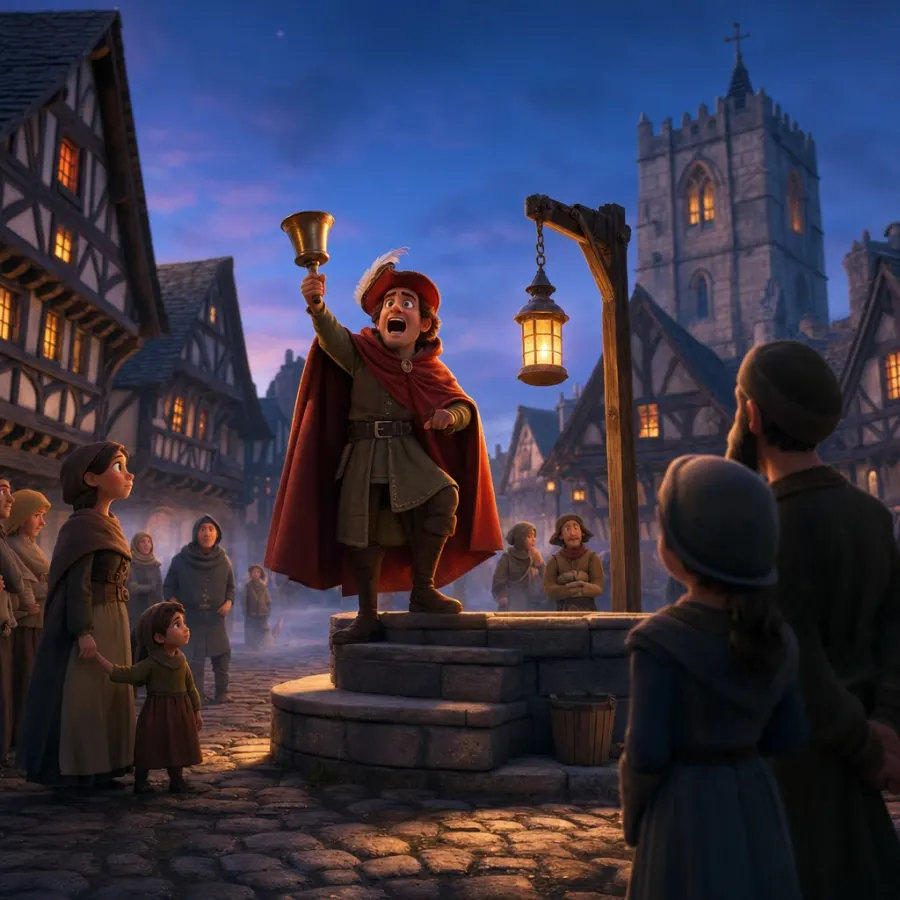
A frightened town, a chronicle kept by candlelight, and six hundred years of people working out what really makes us ill.
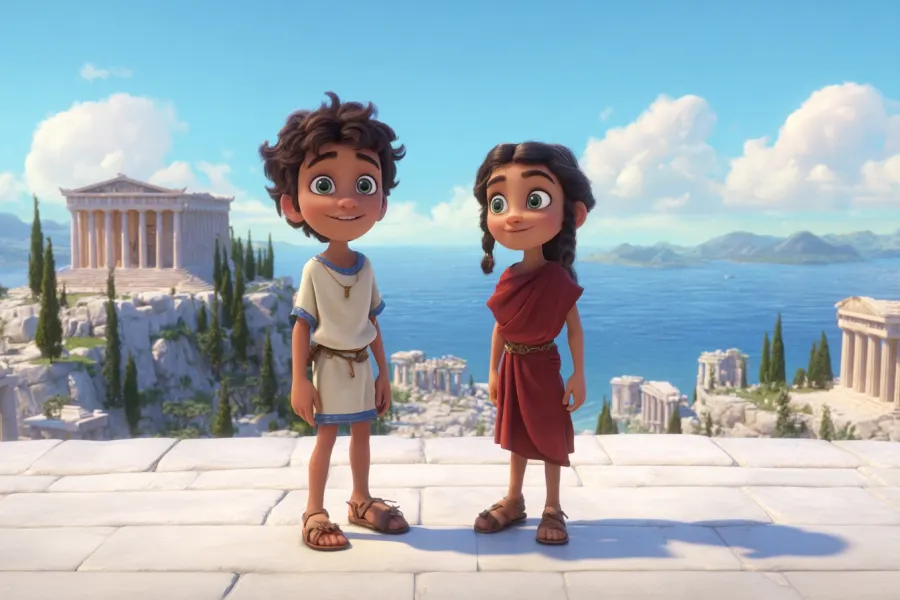
Two children, two city-states and a jar of broken pottery that decides who stays and who goes.
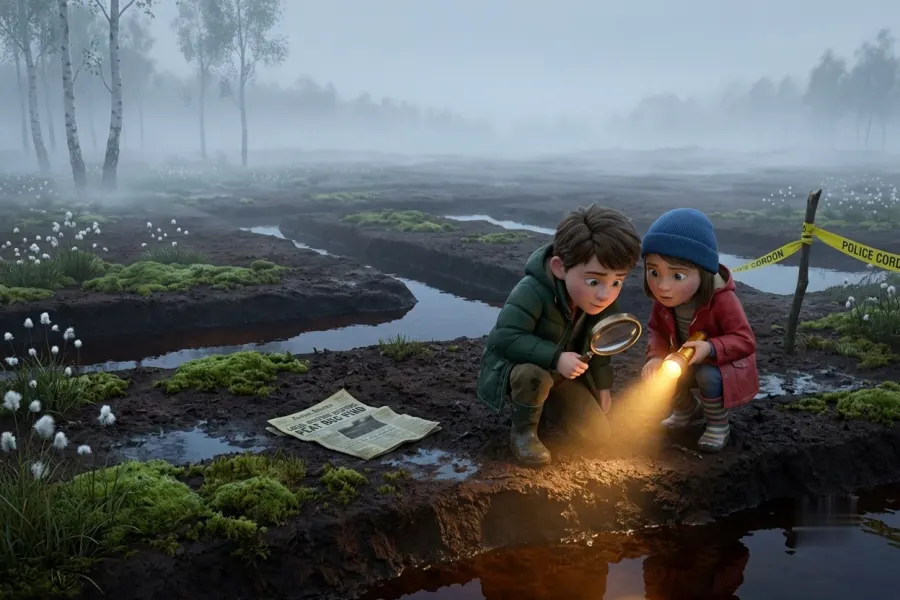
The discovery at Lindow Moss opens an investigation stretching from the Stone Age to the Iron Age.
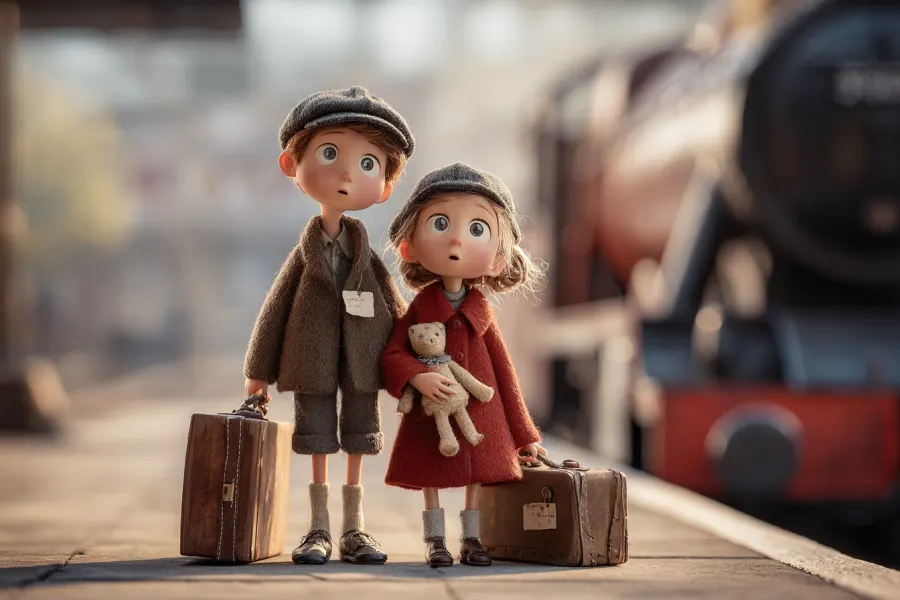
One family, one wireless announcement and a postbag of letters that carries the class through the war.
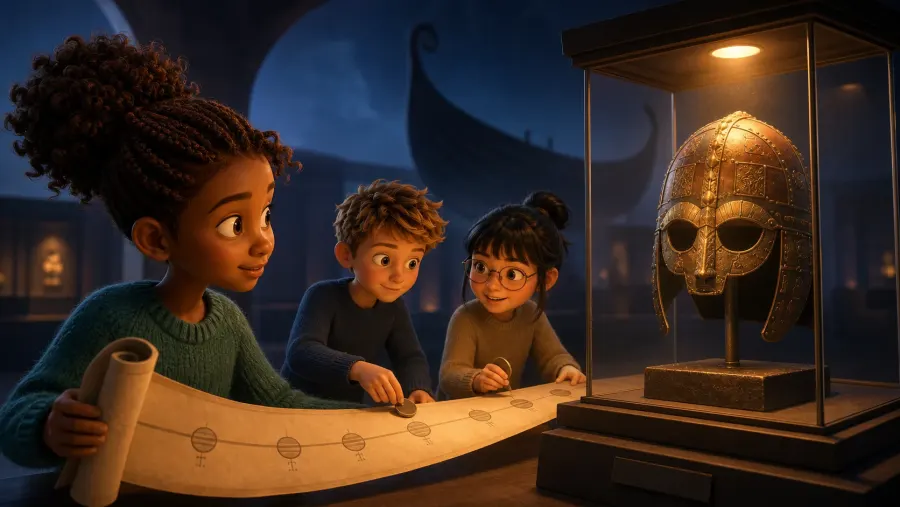
One ship burial, an extraordinary helmet and a museum exhibition that needs an honest answer.
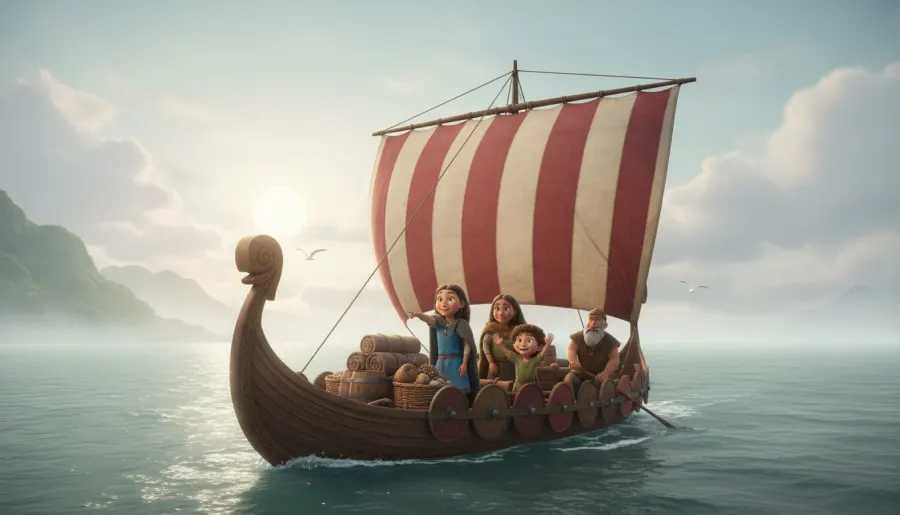
Asking who the Vikings really were, and getting to the truth about horned helmets!
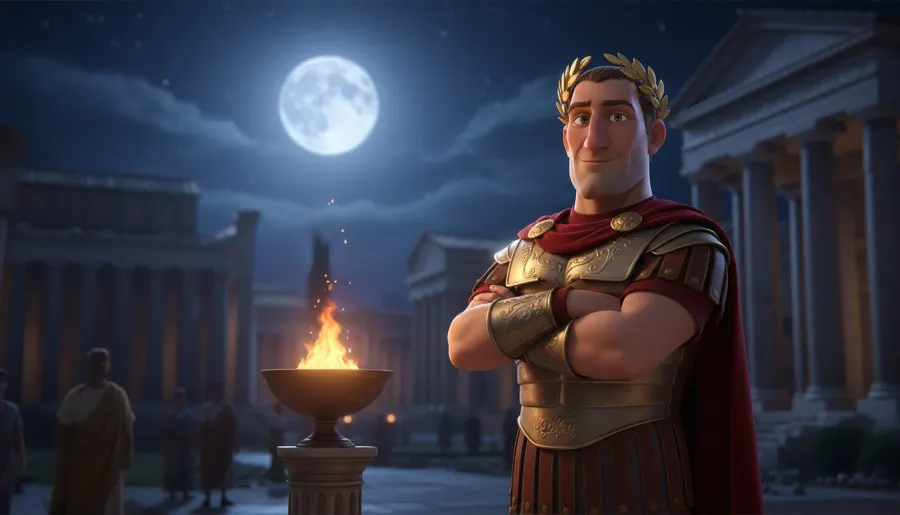
A quiet night in Republic Rome opens an investigation into who Julius Caesar really was, and why nobody agreed about him.
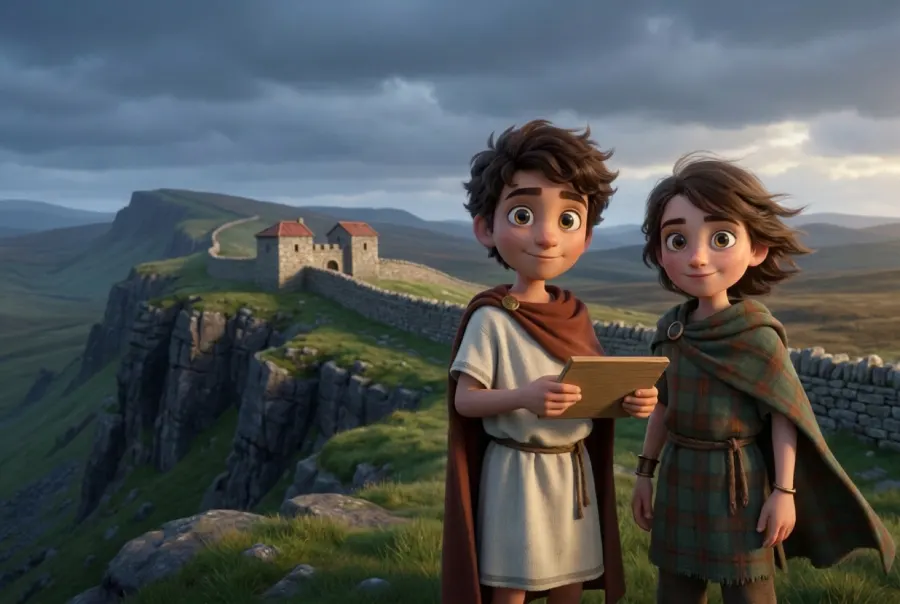
A birthday invitation written on wood, an empire that arrived twice, and where all of it actually sits in time.
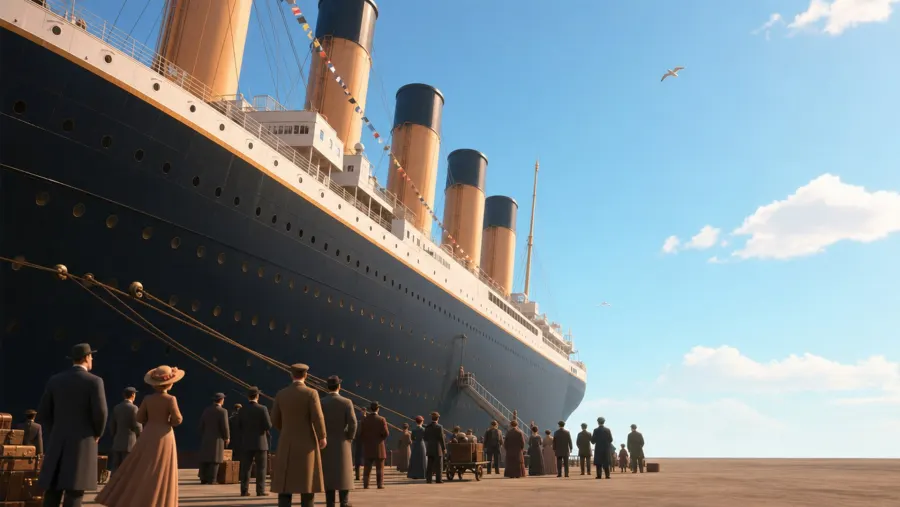
The class becomes a Board of Inquiry and investigates how an unsinkable ship came to sink.
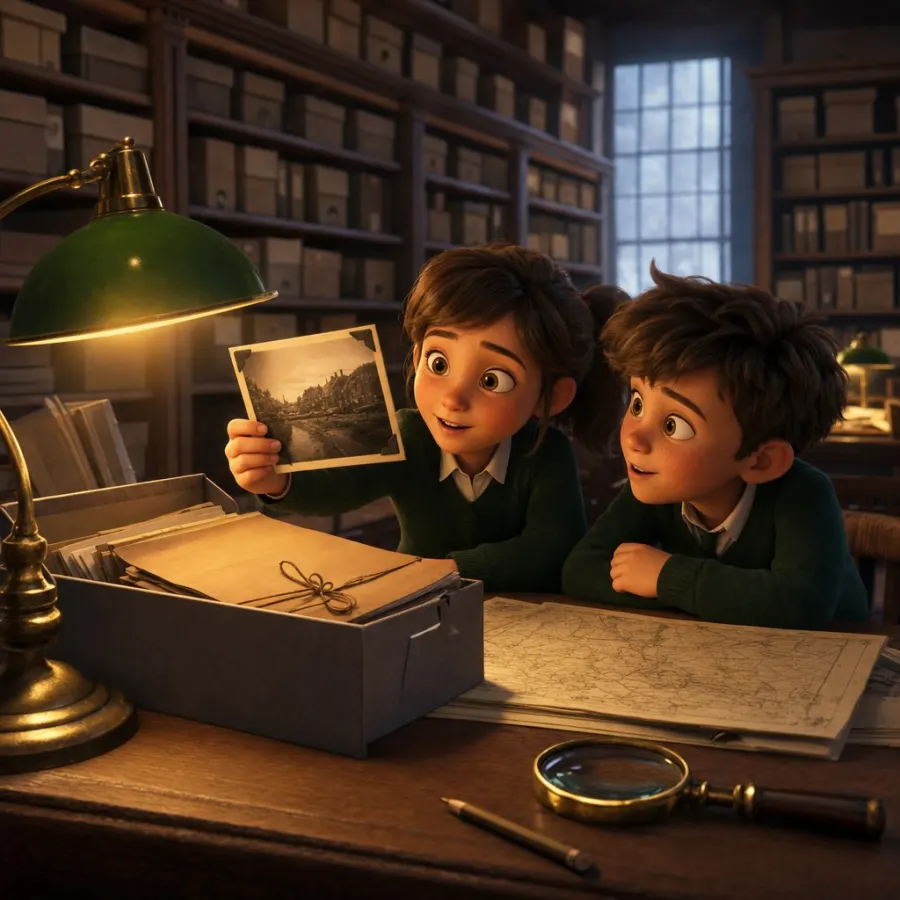
A box of real sources from your own record office, one local life placed against the wider world.
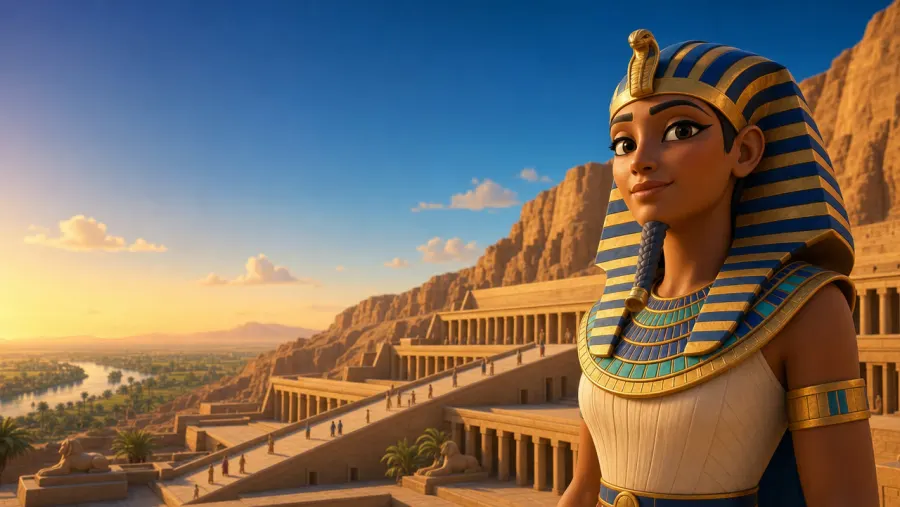
The woman who ruled Egypt as king, and the argument about her that is still going on.
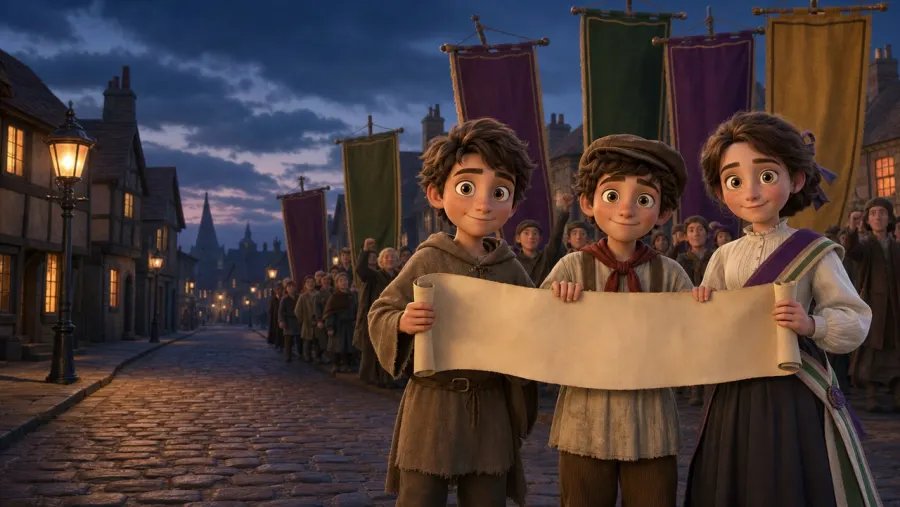
Three fights for fairness, six hundred years apart. How have ordinary people fought for a fairer Britain, and did it work?
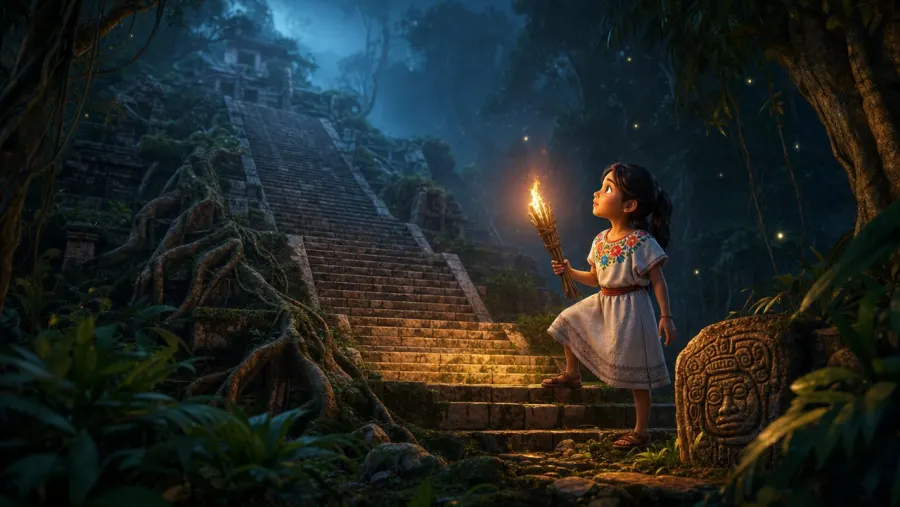
The Maya cities that emptied, the ones that did not, and the way of life that outlasted them all.
Every unit has six sections, one for each of our History Pillars of Learning, so the same disciplinary thinking grows deeper every year.
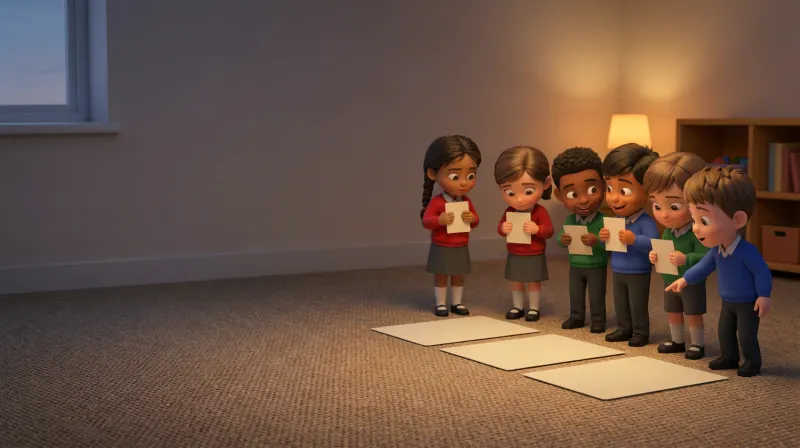
Understanding chronology is vital in helping children position their learning within a linear narrative.
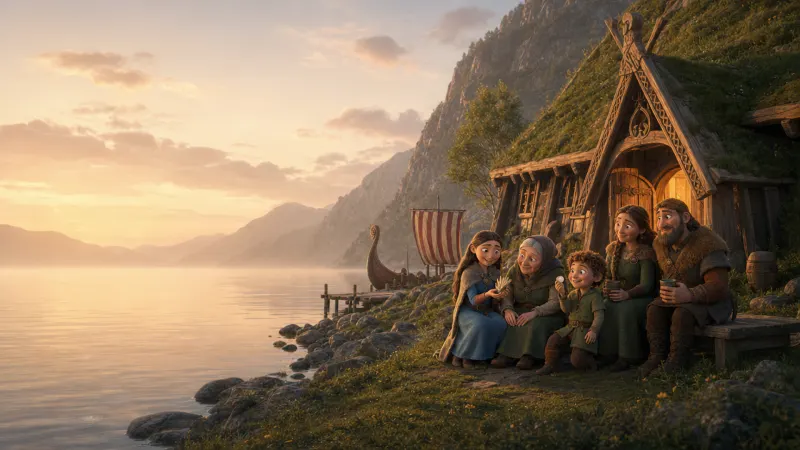
Evidence can take various forms, including printed sources, physical artefacts, oral accounts and testimony.
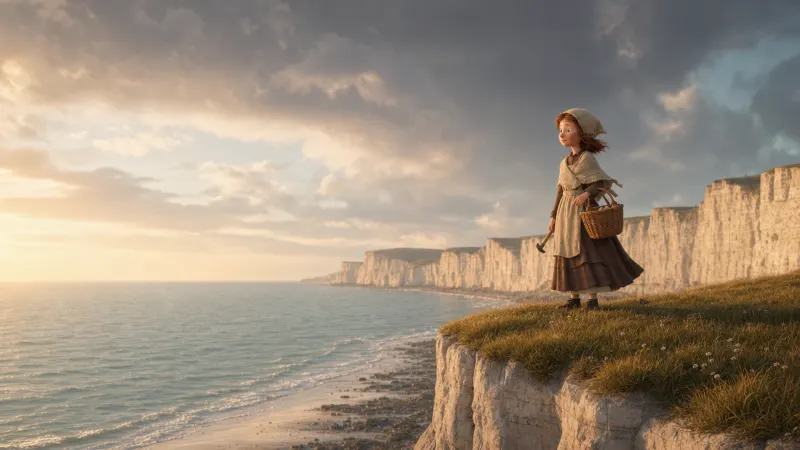
Every event has a cause, and is itself the cause of subsequent events.
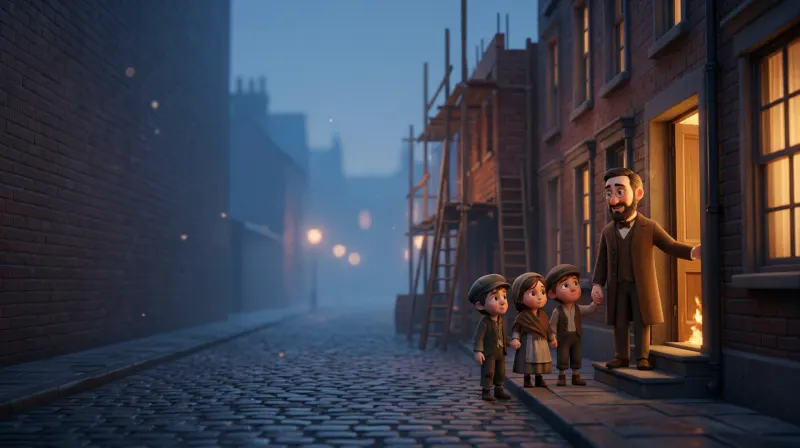
Historical change happens constantly, while continuity refers to the things that stay the same over time.
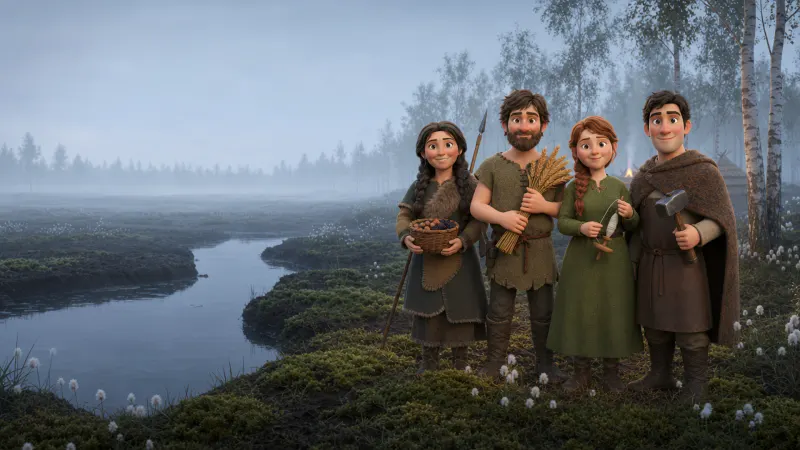
Comparison helps children analyse events, societies and beliefs within and across different time periods.
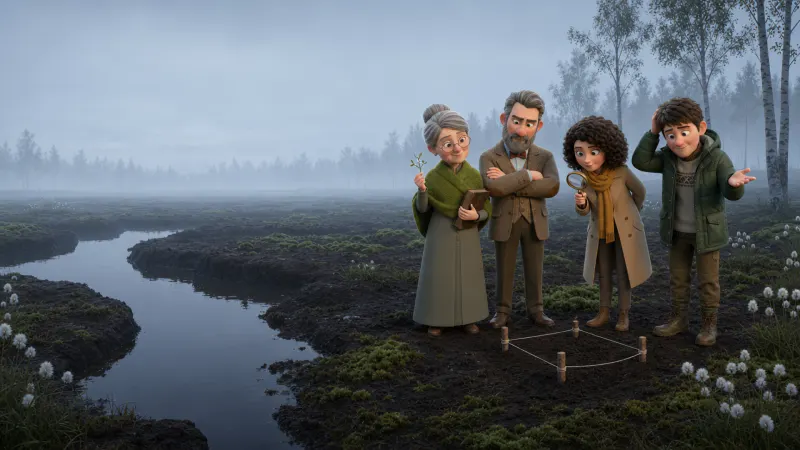
Understanding the settings that shaped people’s lives and actions, and how explanations of the past are built.
Our Place, Our Past and Time Team are built around your own area.
A significant local person, place or event, and a box of real sources from your own record office, placed against the wider world.
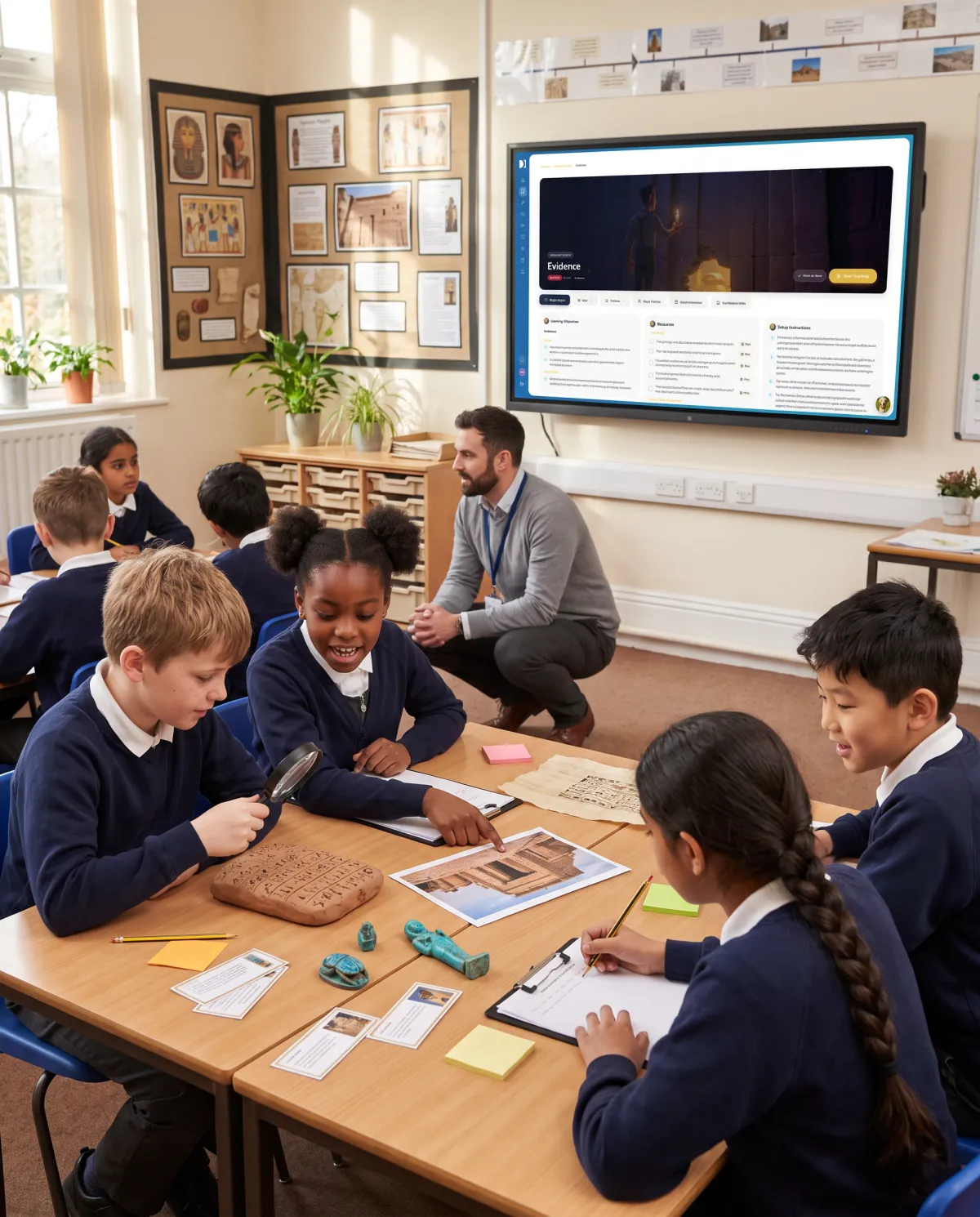
Open a lesson and it is all there.
Learning objectives, resources, printables and setup instructions sit alongside the films, sources and scenes you share with the class, so pupils spend the lesson investigating rather than watching slides.
Mapped to the National Curriculum, with the Curriculum Mapper showing your coverage as you choose your units.